
Food & beverage
Occupational health for food & beverage.
Flour dust, spices, wet work, noisy lines and night shifts. Food and drink production has its own set of risks, and we know them well.

The picture
What we see in food & beverage.
- Loud noisePeople have to shout to be heard 2 m away, or use noisy tools
- Dust, fumes or flourWood or stone dust, welding fume, flour, spices, solvents
- Skin irritants or wet workCutting fluids, cement, cleaning chemicals, frequent hand washing
- Forklifts or lift trucksCounterbalance, reach trucks, pallet movers
- Night shifts3+ hours between 11pm and 6am as normal
Flour and grain dust are among the most common causes of occupational asthma, and frequent hand washing and wet work can lead to dermatitis. Under COSHH, both call for health surveillance.
Add noisy production lines, chilled warehouses with lift trucks and 24-hour shift patterns, and food manufacturers often need several surveillance programmes running side by side. Our portal keeps them all in one place.
Talk to us about your sitesTypical programme
Services for food & beverage.
 COSHH 2002 · Reg 11
COSHH surveillanceAnnual skin and lung-function checks for people who work with dust, fumes, vapours, flour or spices.Learn more
 Noise Regs 2005 · Reg 9
AudiometryHearing checks for anyone exposed to workplace noise. A 20-minute on-site assessment.Learn more
 Working Time Regs 1998 · Reg 7
Night worker assessmentsThe free health assessments the Working Time Regulations require for regular night workers.Learn more
 ACoP L117
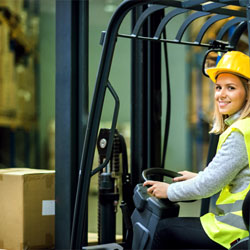
Forklift driver medicalsDriver medicals in line with ACoP L117: vision, hearing, mobility and urinalysis.Learn more
Surveillance checker
Pre-filled for food & beverage.
We’ve ticked the hazards most common in your sector. Adjust them to match your sites.
Step 1 · Tick everything your people are exposed to
Step 2 · What you’re likely to need
0 programmes
Select the hazards in your workplace and we’ll show which health surveillance applies, the regulation behind it and how often it’s due.
General guidance based on HSE regulations. Your risk assessment decides what’s required, and we’ll confirm it with you.