
Vibration Regs 2005 · Reg 7
Vibrating tools. Steady hands.
Hand-arm vibration syndrome causes numbness, weakness and white finger, and the damage can’t be undone. Our tiered HAVS surveillance finds the early signs while there’s still time to act.

Understanding HAVS
Hand-arm vibration syndrome is vibration damage that mainly affects the fingers, hands and arms. It shows up as altered sensation in the fingers and can lead to persistent numbness, muscle weakness and, in severe cases, episodes of white finger. The damage to the nerves, blood vessels and joints can be irreversible.
At-risk tools and equipment
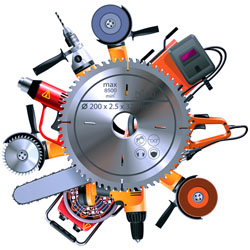
Chainsaws, ratchet screwdrivers, concrete breakers, cut-off saws and many other hand-held power tools put workers at risk. Anyone using them regularly needs health surveillance.
Complying with the regulations
Regulation 7 of the Control of Vibration at Work Regulations 2005 requires health surveillance where your risk assessment shows a risk to health, or where exposure is at or above the exposure action value of 2.5 m/s² A(8). Employees already diagnosed with HAVS who are still exposed must also stay under surveillance.
HSE guidance book L140, ‘Hand-arm vibration’, sets out how to assess and manage these risks.
- m/s² A(8): the daily exposure action value
- 2.5
- m/s² A(8): the exposure limit value
- 5.0
- HSE guidance: Hand-arm vibration
- L140
What happens
The process, step by step.

- 01
Tier 1–2 screening
A baseline and annual questionnaire picks up early symptoms.
- 02
Tier 3 assessment
Anyone reporting symptoms is assessed by a qualified OH practitioner.
- 03
Tier 4–5 referral
Formal diagnosis and staging where needed, under HSE’s tiered approach.
- 04
Fitness advice
Clear guidance on fitness to keep using vibrating tools, and any adjustments.
FAQs
Hand-arm vibration: questions.
What are the early signs of HAVS?
Tingling and numbness in the fingers, loss of strength in the hands, and fingertips going white and then red and painful when they warm up.
Is HAVS reportable?
Yes. A diagnosis of HAVS or carpal tunnel syndrome linked to vibrating tools is reportable under RIDDOR.
Surveillance checker
Anything else you need?
Most workplaces have more than one hazard. Add the rest and see your full surveillance programme.
Step 1 · Tick everything your people are exposed to
Step 2 · What you’re likely to need
0 programmes
Select the hazards in your workplace and we’ll show which health surveillance applies, the regulation behind it and how often it’s due.
General guidance based on HSE regulations. Your risk assessment decides what’s required, and we’ll confirm it with you.
Related
You might also need.
 Noise Regs 2005 · Reg 9
AudiometryHearing checks for anyone exposed to workplace noise. A 20-minute on-site assessment.Learn more
 COSHH 2002 · Reg 11
COSHH surveillanceAnnual skin and lung-function checks for people who work with dust, fumes, vapours, flour or spices.Learn more
 COSHH 2002 · Biological monitoring
Biological monitoringUrine monitoring and asthma surveillance for paint sprayers and body makers exposed to isocyanates.Learn more